Knee support for running: strap, sleeve or brace?
Choosing the right knee support for your runs, without the bulk.
By the StepBrake team · sources checkedUpdated
Quick answer
The right knee support for running depends on the support you need, the fit and any professional advice. A strap covers a small area below the kneecap, a sleeve covers more of the joint, and a brace is more structured. None makes it safe to ignore pain or run through injury.
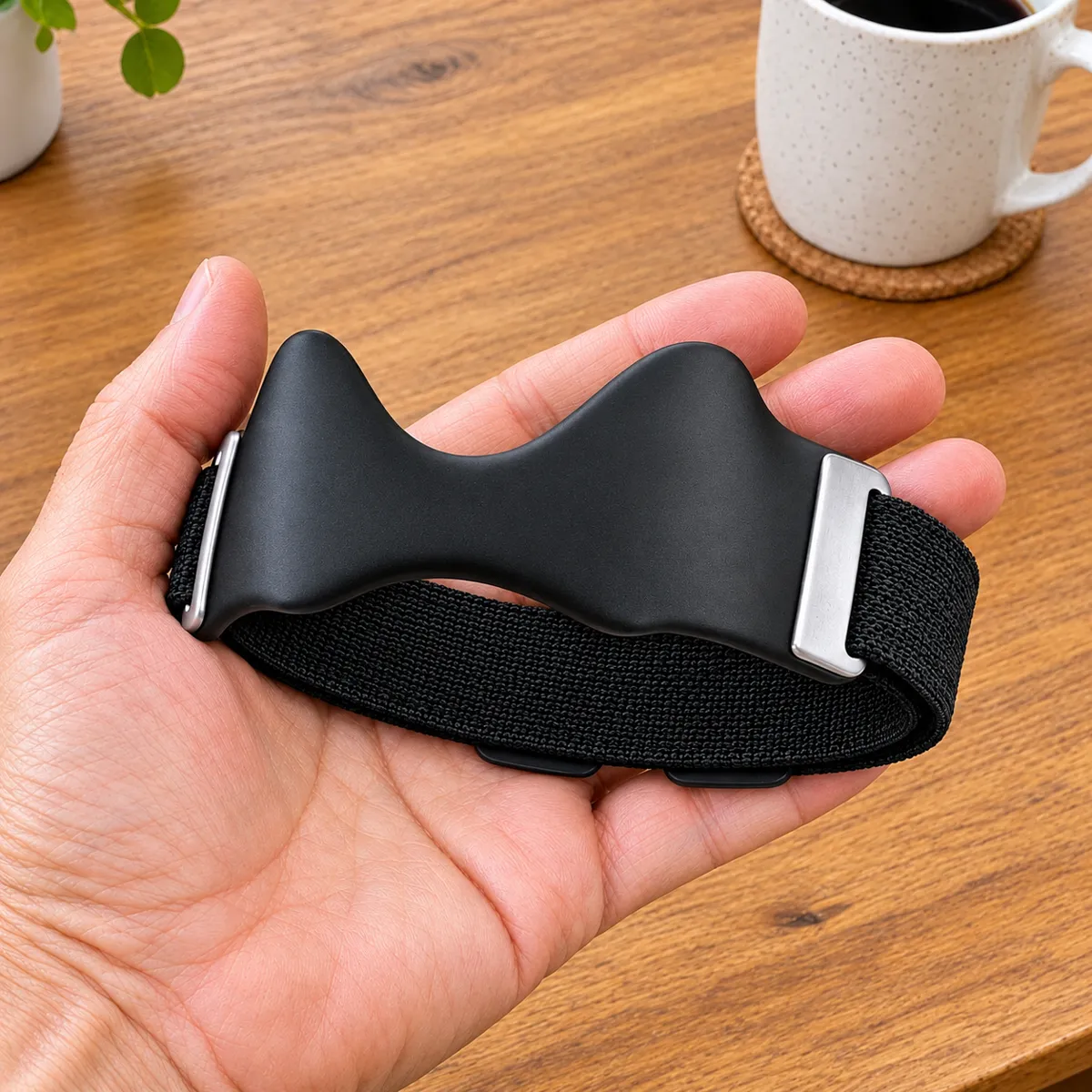
Quick pick for runners (our own product)
StepBrake Strap
A slim, light patella strap that sits 2 cm below the kneecap and stays put under shorts or leggings, for easy runs, parkrun and hills.
- From £22 a strap (2-pack)
- Free UK delivery
- 30-day money-back guarantee
Strap, sleeve or brace for running?
Patella strapLightest
Best for: Runners who want something light that stays put under shorts or leggings
Less good for: Needing rigid support after an injury
Compression sleeveMedium
Best for: An all-round warm, snug feel over the whole knee
Less good for: Hot runs and quick on/off; can slip when sweaty
Hinged braceBulkiest
Best for: Support recommended by a clinician after injury
Less good for: Everyday running; heavy and restricts stride
The runner's 6-point fit check
Do this before you set off, and again once you're warm.
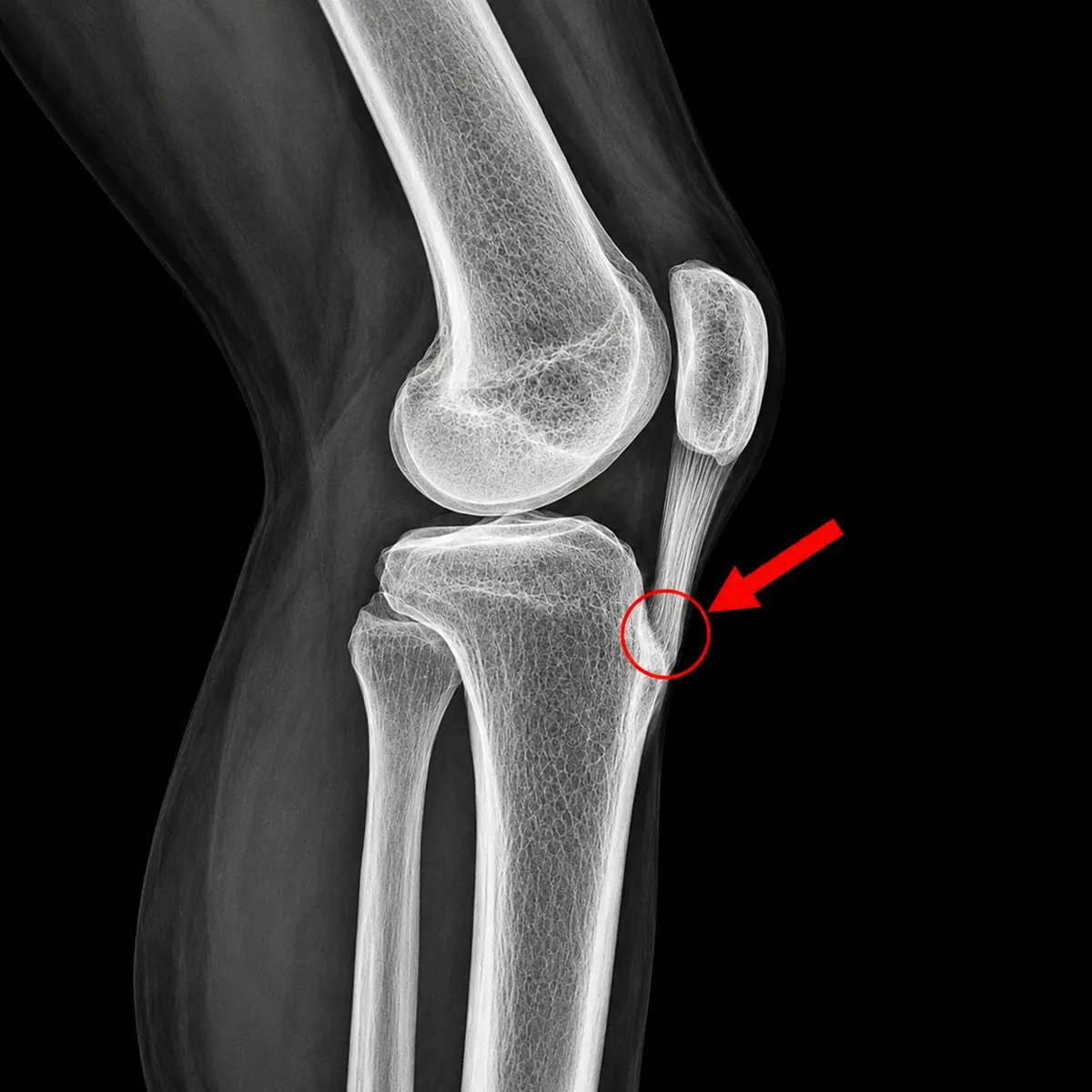
- 1Pad sits just below the kneecapContoured pad about 2 cm below, on the tendon
- 2Snug, not tightFollow the fitting card and adjust until snug
- 3Doesn't move when you jog on the spotTest 30 seconds of jogging before you head out
- 4Comfortable after 10 minutesRe-check fit once you are warm and loosen if needed
- 5No pins and needles or colour changeIf you notice either, remove it and refit
- 6Fits under your kitSlim band sits under leggings or with shorts
StepBrake suits you if…
- You want light, low-bulk support for easy runs, parkrun or walks
- You feel an ache just below the kneecap on hills or downhill
- You want something quick to put on and take off
- You'd like a spare for each knee or your kit bag
Look elsewhere if…
- You have swelling, locking, or your knee gives way – see your GP first
- A clinician has prescribed a brace for you
- You have sharp or worsening pain when running – NHS advice is to rest it
- You want full-knee compression – a sleeve may suit you better
Key points
- • Strap, sleeve and brace do different jobs
- • Straps suit pain just under the kneecap
- • Braces are for unstable knees
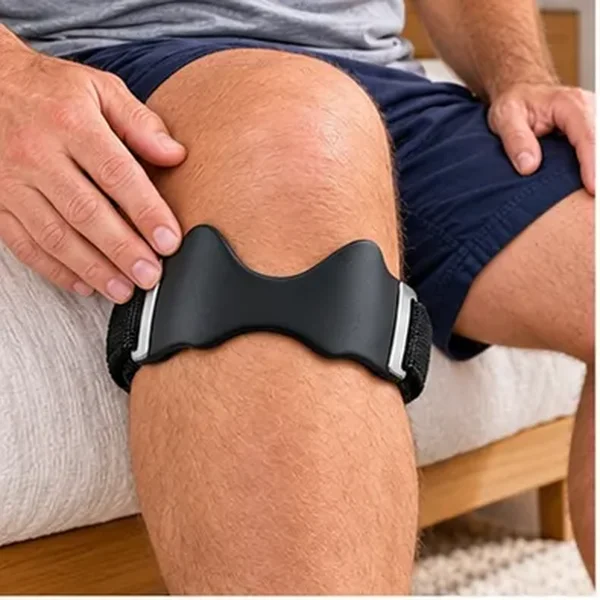
Choosing knee support for running is easier when you compare what each design actually covers. A narrow strap, a pull-on sleeve and a structured brace are not three strengths of the same product. They differ in shape, feel and purpose, and none can tell you why a knee hurts.
For UK runners, the useful starting point is not a ranking of the “strongest” support. It is whether you need medical advice, what a clinician has recommended and which practical features matter to you. This guide compares the options without promising that equipment will solve a running problem.
Knee support for running: strap, sleeve or brace?
A patella strap is a narrow band positioned below the kneecap. A sleeve covers more of the knee with fabric, while a brace is a more structured design that may include straps or hinges. Products vary considerably within these groups, so read the actual description rather than judging from the category alone.
| Option | Typical coverage | Practical question | Important limit |
|---|---|---|---|
| Patellar tendon strap | A narrow area beneath the kneecap | Does the pad stay comfortably positioned? | Not whole-joint bracing |
| Knee sleeve | Fabric around more of the joint | Can you put it on and tolerate the coverage? | Coverage does not establish injury protection |
| Structured brace | More substantial support around the knee | Has this design been recommended and fitted appropriately? | Not something to select purely by bulk |
There is no universal winner for every runner. A person comparing how kit feels under clothing is asking a different question from someone whose knee gives way. In the second situation, a product table should not delay assessment or become a substitute for it.
The NHS knee-pain page explains that symptoms have different possible causes. It also highlights warning signs such as locking, giving way and major swelling. Those signs matter more than whether a shop describes an item as light, moderate or heavy support.
Choosing knee support for running by your actual needs
Before comparing prices, write one sentence explaining why you want a support. “I want something less bulky under trousers” is a practical preference. “I want my painful knee to be safe for a long run” is a medical question that a purchase cannot answer.
If a physiotherapist has recommended a specific type, use that recommendation as the starting point. Do not replace a prescribed or recommended brace with a strap simply because it looks easier to wear. If the recommended design is uncomfortable, ask about fit and alternatives instead of quietly switching categories.
For an accessory comparison, consider fastening, clothing, cleaning and returns. Check whether you can put the item on yourself and whether its position is easy to check. The strap versus brace guide offers another way to compare coverage without treating larger equipment as automatically better.
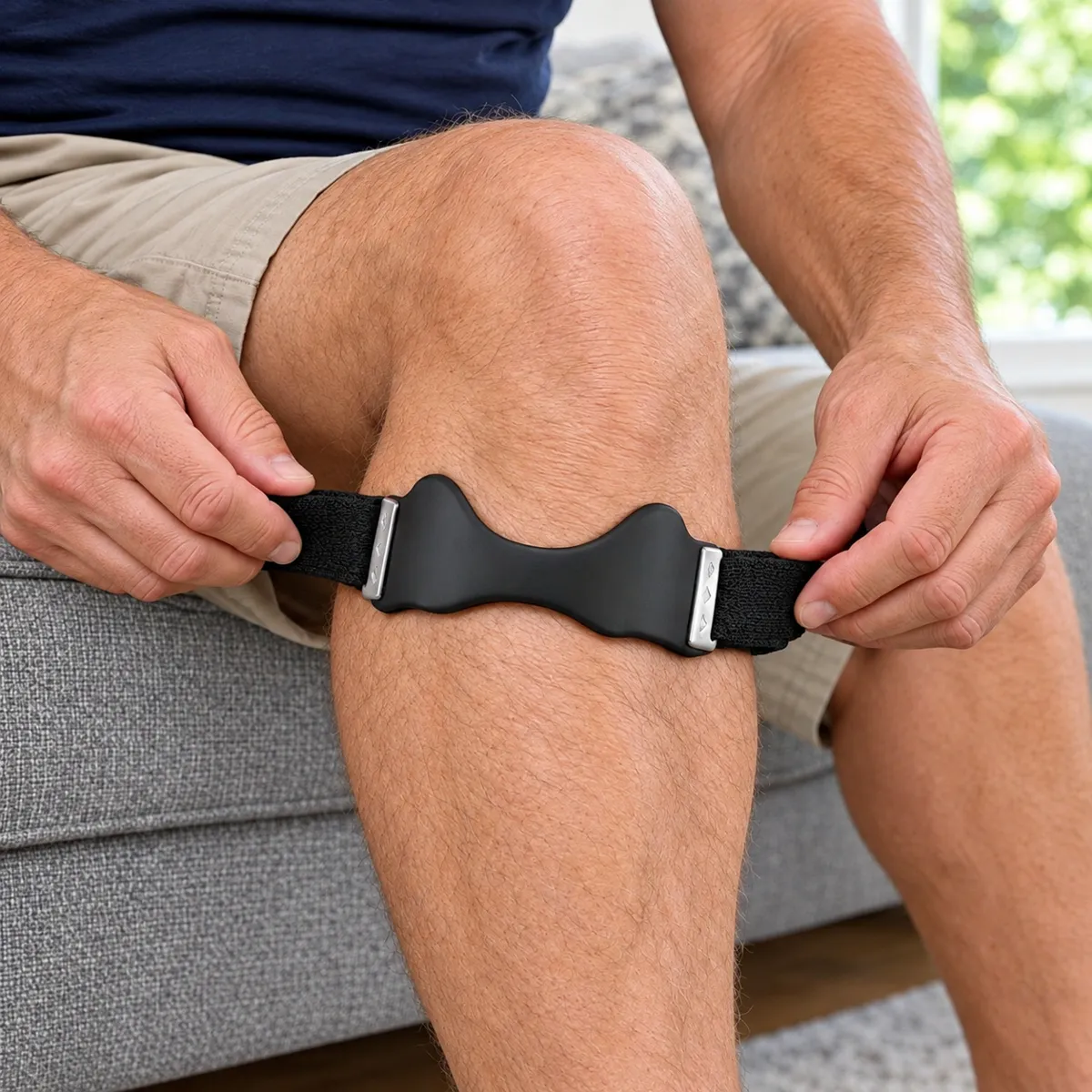
When a slim patella strap may match your preferences
A narrow strap may appeal if you specifically want a small-area support rather than fabric over the whole joint. That is a preference about the product’s footprint, not a clinical indication. You still need to establish whether using that type of support makes sense for your situation.
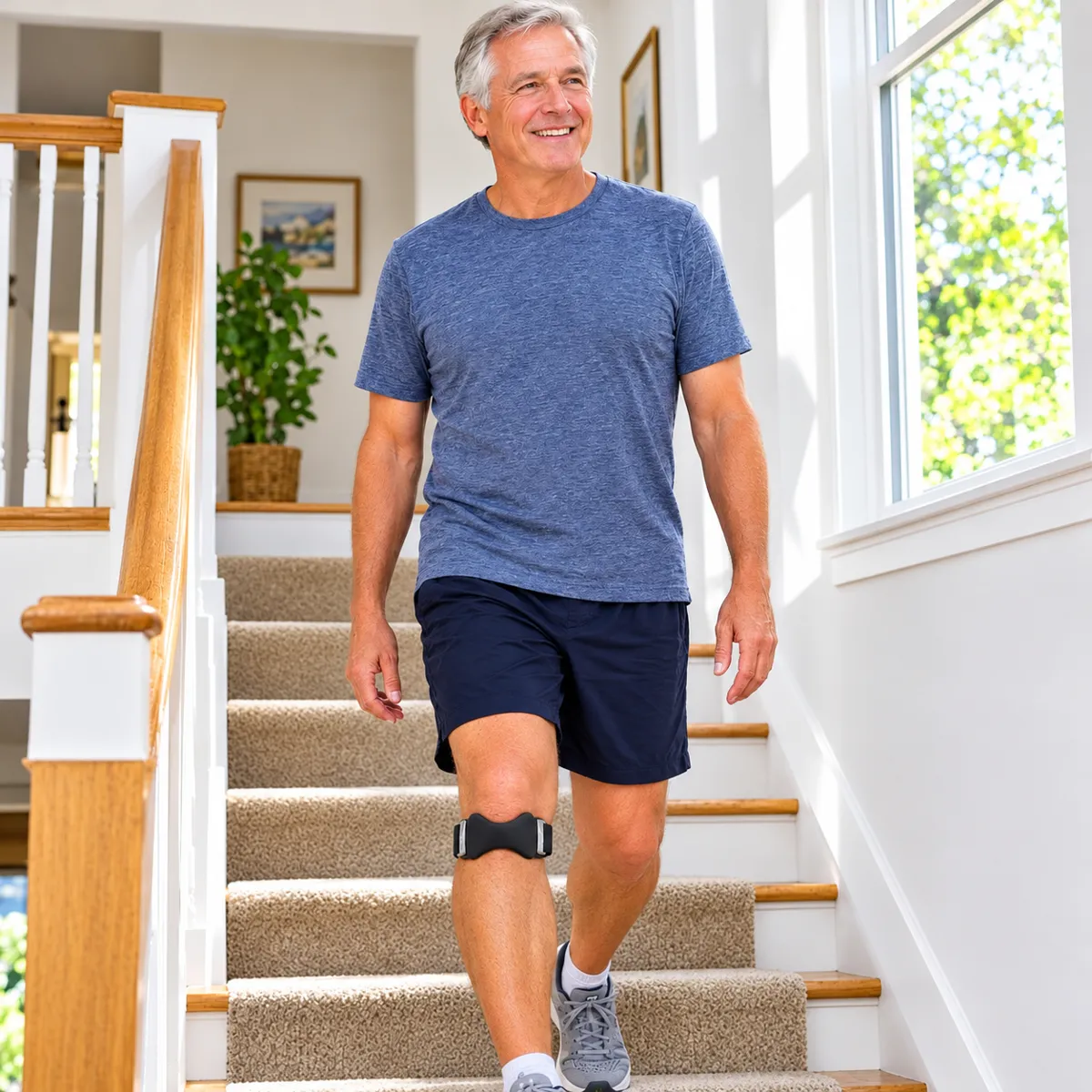
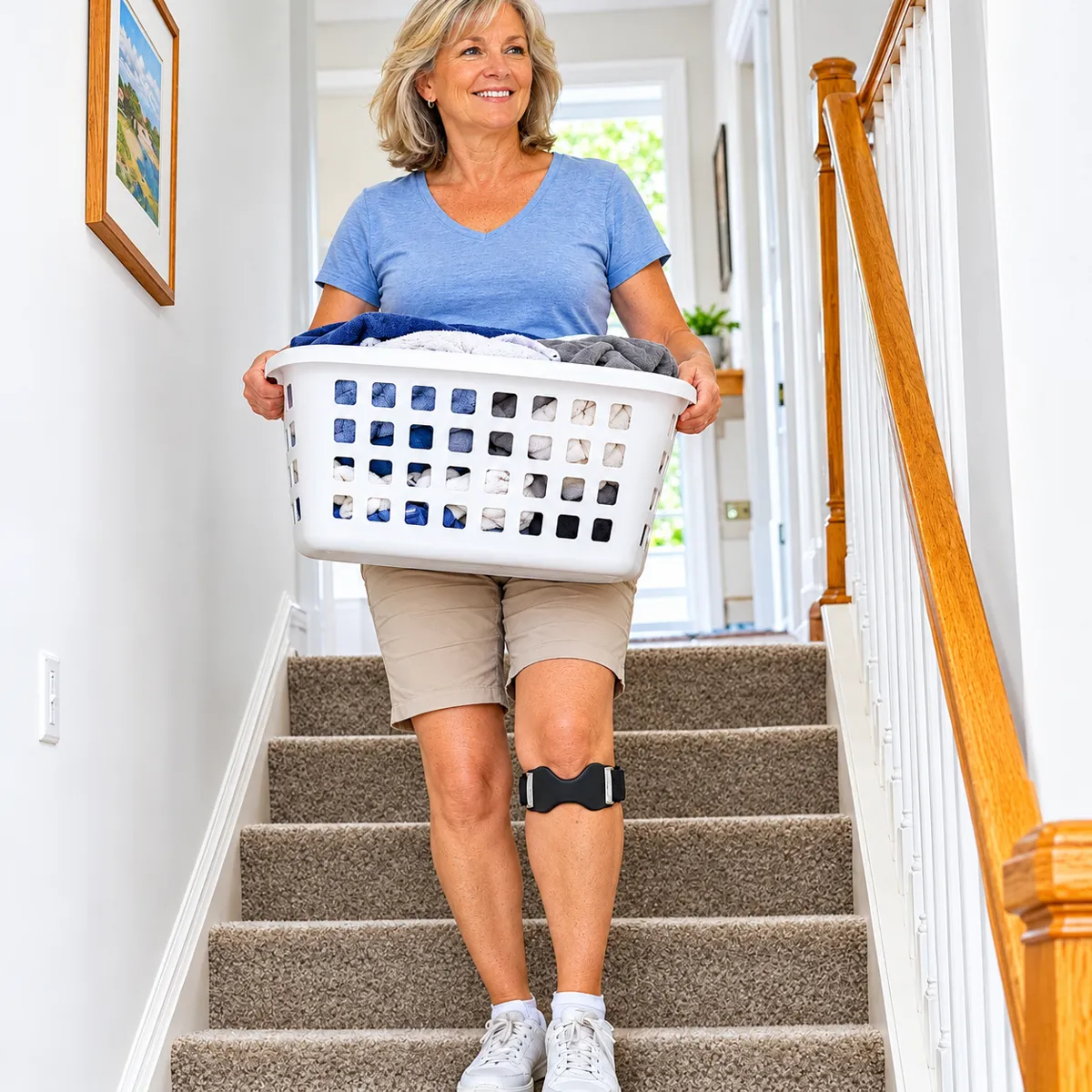
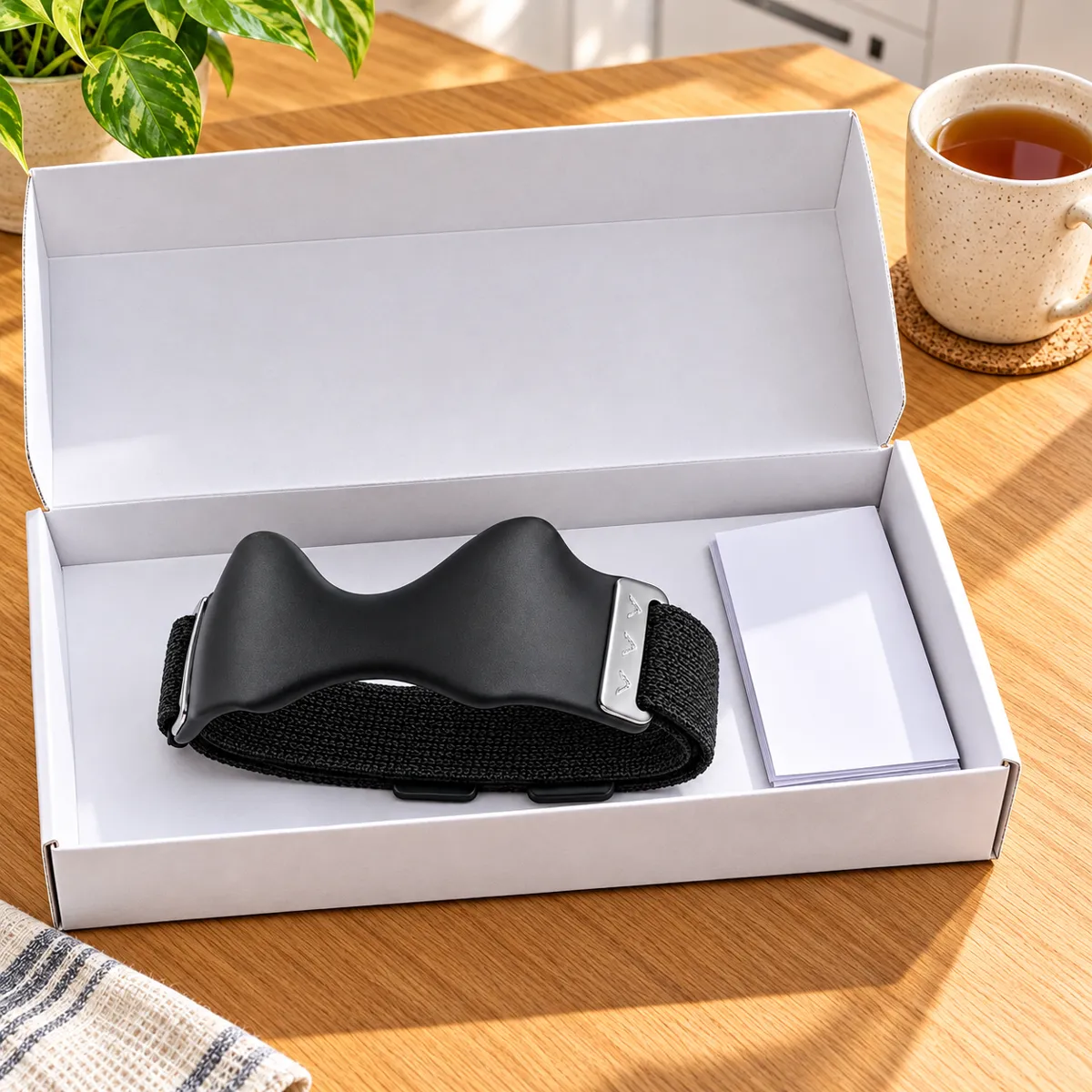
StepBrake Strap is an adjustable one-size design for most adult knees and fits the left or right leg. Its rigid contoured black pad has two raised lobes and sits about 2 cm below the kneecap on the patellar tendon. It has a soft knitted black elastic band and silver end plates.
It is slim enough under trousers and designed to fit in under a minute. It is not a sleeve or hinged brace. For a more focused discussion of common search terminology, read the runner’s knee strap guide; the name of an accessory should never be taken as a diagnosis.
When to consider a sleeve or discuss a brace
If your priority is fabric coverage around the knee rather than a narrow band, you may prefer to investigate sleeves. Check the specific product’s size instructions and construction. Do not assume that every sleeve has the same material, pressure or care requirements, or that a smaller size provides a better fit.
A structured brace involves a different decision. Where a clinician has identified a need for one, their fitting instructions and advice should lead. If you are considering a brace because the knee feels unstable, seek assessment rather than buying the most substantial-looking option you can find.
It can be tempting to stack a sleeve and strap together to create a “best of both” arrangement. Do not assume that adding products improves support or comfort. Discuss combinations with the professional advising you, particularly if you have a prescribed brace or difficulty noticing pressure on your skin.
A fitting checklist before thinking about mileage
Check new equipment at home with plenty of time and without a scheduled run creating pressure to use it. Make sure you understand the instructions and can remove it easily. A fitting session should help you decide whether the item is manageable, not whether you can push through symptoms.
- Check the stated size or fit range before purchase.
- Position each component as instructed by its manufacturer.
- Try gentle everyday movement only if comfortable.
- Stop for rubbing, pinching, numbness or skin-colour changes.
- Check return terms before deciding to keep an unsuitable fit.
For StepBrake-specific details, use the knee strap size guide. Adjustable does not mean unrestricted sizing, and “most adult knees” is not a guarantee for every person. Contact support@stepbrakestrap.co.uk if the product information does not answer your fit question.
Do not let support become a training decision
The NHS advice on running injuries says not to run with knee pain. Feeling more equipped is not the same as being ready to continue. If symptoms are affecting your running, get advice rather than planning extra distance to test a purchase.
Keep a simple account of what happened and when, including any injury, changes in routine and symptoms outside running. Bring the details of any support you use to an appointment. This gives the clinician useful context without assuming the equipment either caused or solved the problem.
Age alone is not a diagnosis either. The NHS osteoarthritis information describes a condition that can affect joints, but a runner should not infer it from age or stiffness alone. Equipment shopping cannot distinguish between possible causes of discomfort.
Compare the whole purchase, not just the headline price
For StepBrake, one strap is £29, previously £49. Two are £44, three are £59 and four are £89. Compare those stated prices with your real needs, rather than assuming a bundle is necessary for a training schedule. Buying multiple items does not provide an extra level of medical reassurance.
Free Royal Mail Tracked 48 delivery is for UK addresses only. Dispatch takes place within one working day, with arrival usually in two to four working days. A typical delivery window should not be treated as an event-day guarantee, and a race date should not decide whether a painful knee needs assessment.
The 30-day money-back guarantee requires you to email within 30 days of delivery and post the product back for a full refund. Review delivery and returns information before ordering. An optional £4.95 Secure Delivery + Lifetime Warranty add-on covers postal loss, theft or damage and manufacturing defects for life.
You can order the StepBrake Strap only through the official website. StepBrake is new and has no customer reviews, ratings or testimonials. Judge the purchase on the disclosed design, your practical requirements and the return terms rather than on implied popularity or unverified sporting claims.
Care and convenience still matter
StepBrake needs hand washing and air drying. Other support types may have different instructions, so read the care label rather than washing every item together. Include fastening and cleaning in your comparison: an accessory you cannot comfortably manage may not suit your routine, however appealing its description.
When to see your GP
Ask a GP or physiotherapist about pain lasting over two weeks or pain after injury. Get urgent advice through NHS 111 for severe or sudden pain, swelling, locking, giving way or inability to bear weight. A hot, red knee with fever also needs urgent help, not another support purchase.
Summary
The best starting point for knee support for running is a clear question. Compare straps for local coverage, sleeves for broader fabric coverage and braces according to appropriate advice. Choose fit and practicality carefully, but keep diagnosis and safe return to running separate from shopping.
Sources and further reading
This guide is general information, not medical advice. Read our editorial policy. If you are worried about your knee, speak to your GP, a pharmacist or call NHS 111.
Common questions
Is the bulkiest running support the safest choice?+
Not automatically. Bulk tells you little about whether a product suits your circumstances. Straps, sleeves and braces have different designs, and a brace should be chosen with appropriate advice where needed. Symptoms such as giving way need assessment rather than a larger online purchase.
Should I buy a smaller sleeve for a firmer fit?+
Follow the individual manufacturer’s sizing instructions rather than deliberately sizing down. An uncomfortable squeeze is not proof of useful support. If you experience numbness, pinching or skin-colour changes, remove the item and reconsider the fit rather than persisting with it.
Can I replace a recommended brace with a running strap?+
Do not swap a clinician-recommended brace for a strap without discussing it first. A narrow patella strap and a structured brace are different products. If bulk or fastening is causing difficulty, explain that problem so the recommendation or fit can be reviewed appropriately.
Is wearing a sleeve and strap together automatically better?+
No. Combining items does not automatically improve their suitability and may change how they fit or feel. Get advice before adding products to a prescribed support. Check each manufacturer’s instructions and do not tolerate discomfort because you assume two items must be better than one.
How should I compare running support prices fairly?+
Compare the actual design, stated fit, cleaning requirements, delivery cost and return process alongside the price. A cheap product that you cannot comfortably put on may not meet your needs. Equally, a higher price does not establish a medical benefit or justify running with pain.
Does a support replace decisions about training load?+
No. An accessory cannot determine what activity is appropriate for a painful knee. The NHS advises against running with knee pain. If you are uncertain about continuing or returning, discuss the symptoms and your usual activity with a GP or physiotherapist rather than relying on equipment.
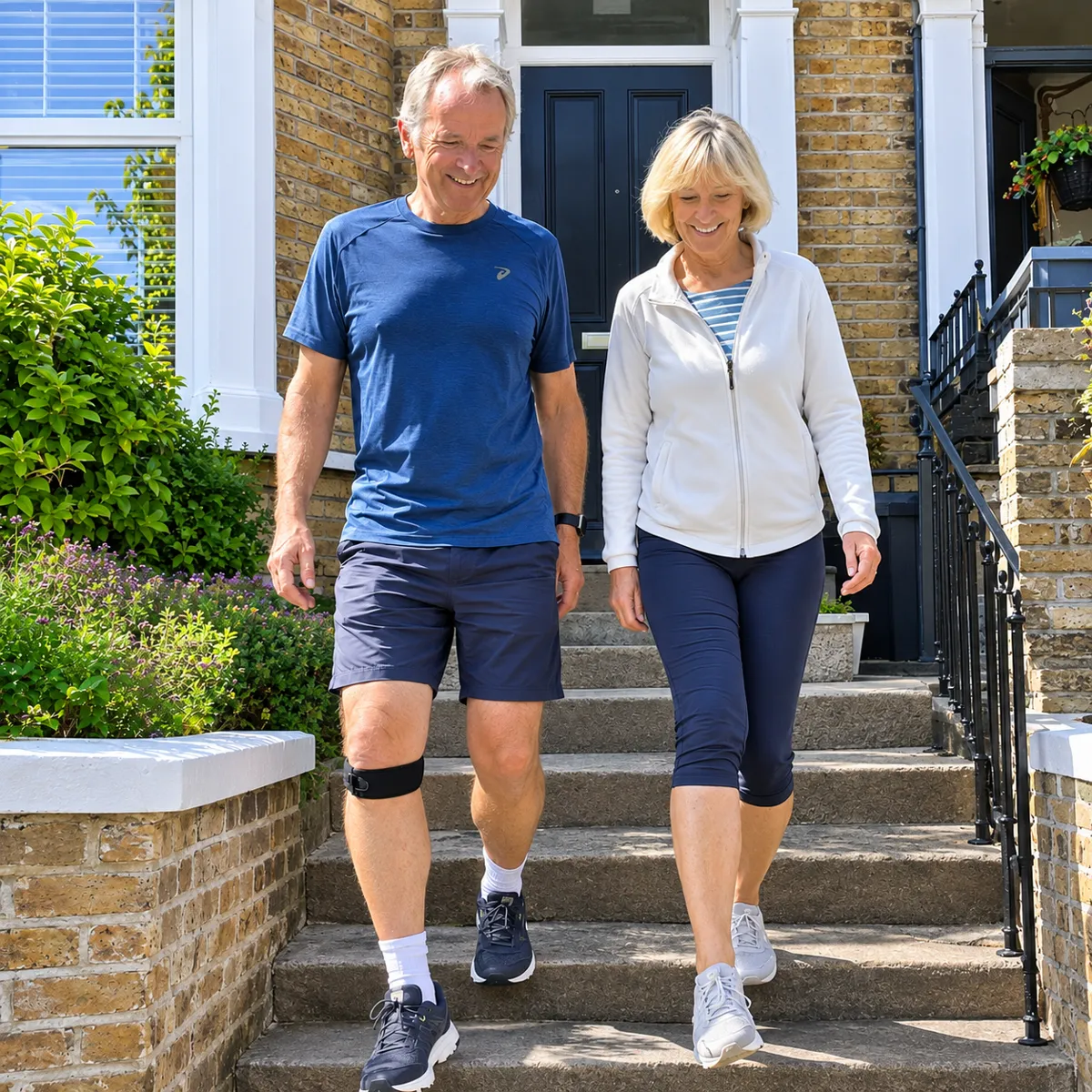
Can I wear a knee strap under running leggings?+
Yes. The StepBrake Strap is a slim band, so most people can wear it under leggings or with shorts. Fit it on the skin first so the pad stays in the right place.
Can I wear a knee strap for a long run?+
Many runners wear a strap for the whole run. Check the fit after the first 10 minutes once you are warm, and loosen it if it feels tight. If your knee hurts while running, stop and get advice.
Is a patella strap good for parkrun?+
A strap is light and quick to fit, which makes it handy for a 5K like parkrun. It is a comfort accessory, not a treatment, so it will not fix an injury.
Should I wear a strap on both knees?+
Only if both knees feel the same way. That is why our 2-pack is the most popular: one for each knee, or a spare for your kit bag. See the <a href="/#checkout">pack prices</a>.